
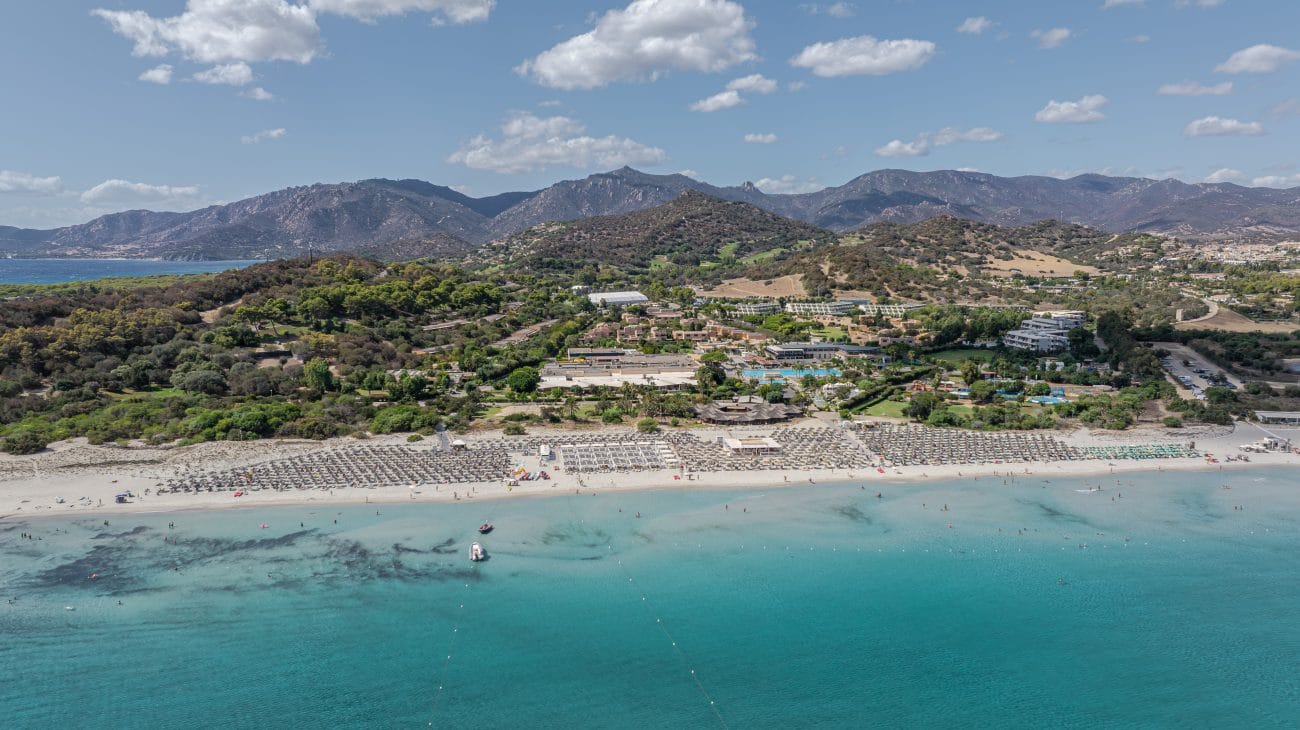
If you have never been to Sardinia before, you should make it a priority because it is an adventure of a life time. Sardinia, Italian: Sardegna [sarˈdeɲɲa], officially the Autonomous Region of Sardinia, is the second largest island in the Mediterranean Sea after Sicily, and one of the twenty regions of Italy. It is located 200 km west of the Italian Peninsula, 200 km north of Tunisia, and 16.45 km south of the French island of Corsica.
Sardinia is one of five Italian regions with statutory domestic autonomy. It is divided into six provinces and two metropolitan cities. Cagliari is the capital and largest city, followed by Sassari. It has over 1.5 million inhabitants as of 2025.
Sardinia’s indigenous language and the Algherese dialect of Catalan are recognized by both regional and national law as two of Italy’s twelve official linguistic minorities, albeit gravely endangered; regional law provides some degree of protection and recognition of the island’s other minority languages: the Corsican-influenced Sassarese and Gallurese, and Tabarchino Ligurian.
Owing to its varied ecosystems, which include mountains,[13] woods, plains, streams, rocky coasts, and long sandy beaches, Sardinia has been metaphorically described as a micro-continent. In the modern era, many travelers and writers have extolled the beauty of its long-untouched landscapes, which retain vestiges of the prehistoric Nuragic civilization.
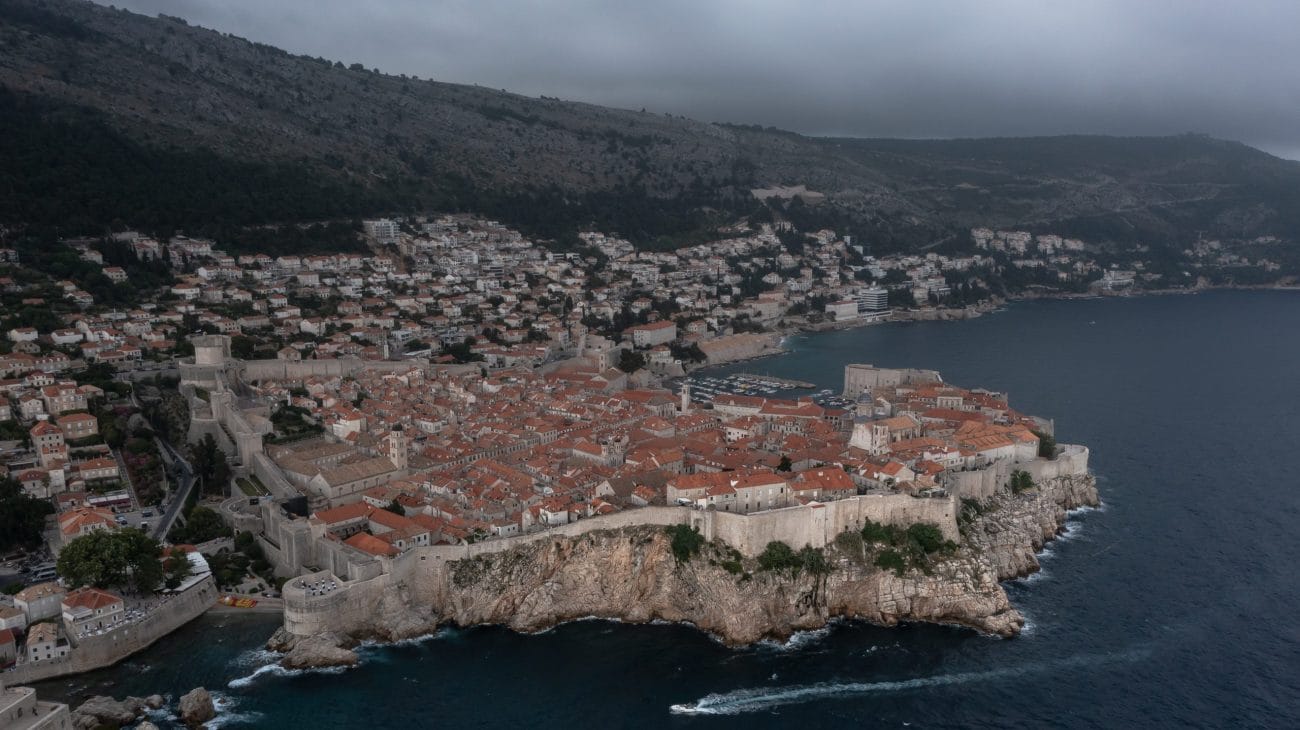
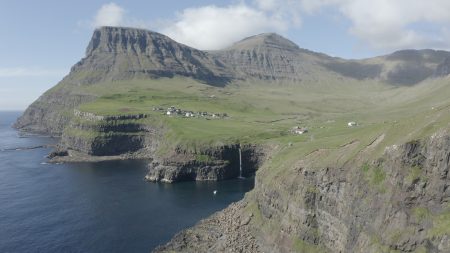
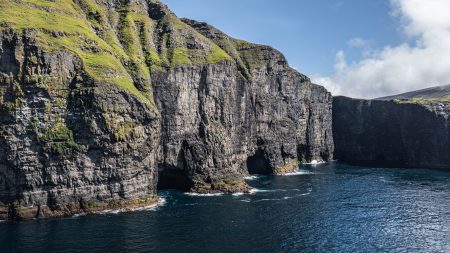
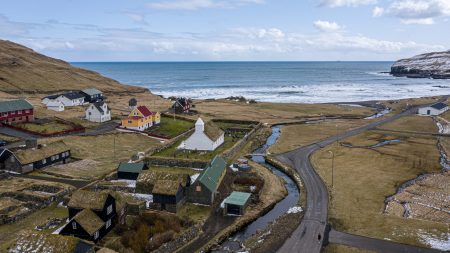
I was fortunate enough to spend time there for 7 days, and the following is a collection of drone photos.
Photos are copyright and may not be used for personal or commercial use without permission.
Commercial permission always requires payment up front.